


By Patricia Leyva & Peter Lantry, Equinix
This chapter is an excerpt from Greener Data: Volume Three, launched on Earth Day 2026. Featuring perspectives from 75+ sustainability leaders across the digital infrastructure ecosystem, the full book is available now on Amazon.
Is value a static construct, or does it shift depending on context? If the definition or measure of value changes, what are the key external and internal factors driving this phenomenon and what outcomes can we anticipate? In the business world, the dominant assessment tool has been Return on Investment (ROI), a financial ratio that weighs the profit generated by an investment against its cost, measured in money. But can this simple ratio capture all the dimensions of value in an industry that is experiencing unprecedented growth, amidst resource constraints and increasing pressure to decarbonize operations? Equinix has responded to this question with a resounding ‘no’, and with sustainability strategies that capture ROI, while elevating additional measures of community value. These strategies redefine value—not just as financial return, but as a comprehensive approach to sustainability, operational efficiency, decarbonization and long-term business resilience.
Why Now?
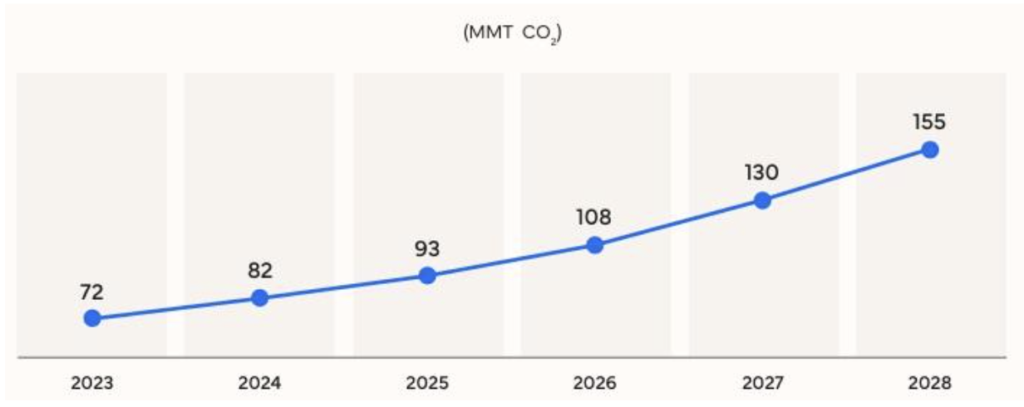
The data center industry is poised at a precipice. The ongoing digitization of business and everyday interactions has more recently combined with the rapid adoption of compute-intensive applications such as AI to dramatically increase demand for digital infrastructure. Greater compute capacity delivers improved productivity; however, it also introduces strain on the energy resources required to power it. For the digital infrastructure industry as a whole, the IEA predicts a doubling of data center energy consumption to 945 TWh in 2030 (equivalent to all energy consumed by Japan today), with the US and China accounting for 80% of growth.1 A corollary of consumption increases is growth in carbon emissions, as this estimate from analyst firm IDC shows.
But even today, energy providers face challenges in supporting data center growth, as surging power demands and spikes associated with IT and AI loads place further strain and modernization of utility infrastructure. In response, many utilities have restricted new requests for access to energy supply through long wait times for grid connection, non-firm contracts, and even moratoria on new connections in major data center hubs. In many regions, power delivery challenges are heightened by local community opposition against projects that citizens perceive to compete for local electricity and water, or add pollution/carbon impact.2 The result is constraint on data center growth – market demand is significant, but energy and social license is constrained.
These industry trends call for renewed focus on sustainability initiatives that can address issues around resource scarcity, business risk, and community engagement. To support these efforts, data center businesses are having to focus on returns that extend beyond traditional definitions of ROI or decarbonization. Leading operators are defining a new narrative that positions digital infrastructure as the foundation of sustainable economic and community development in the AI era.
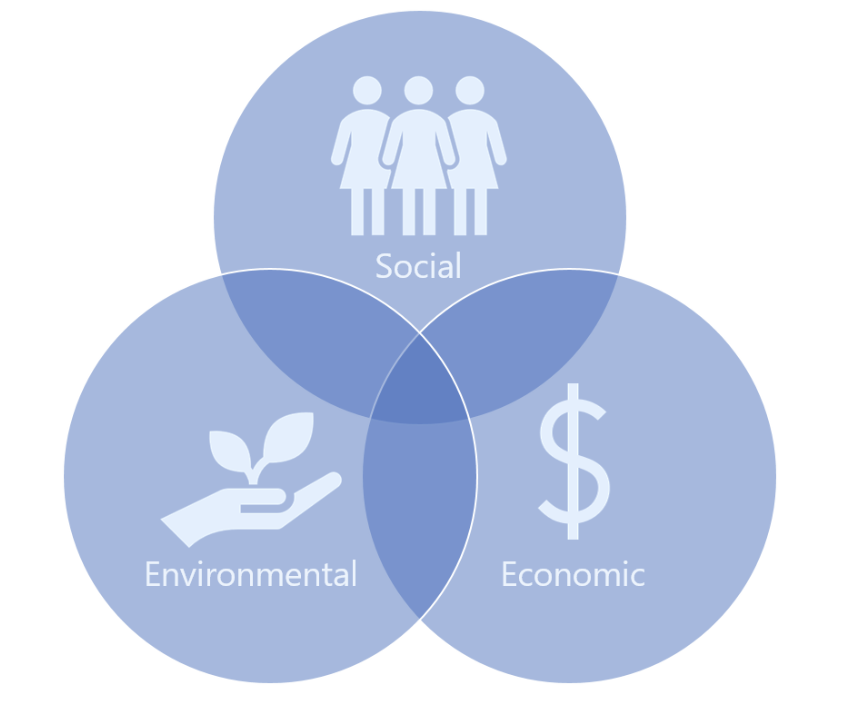
Based on a reframing of value returns, this new narrative will involve enhanced engagement with key industry partners, and broader outreach to local community actors. Equinix is demonstrating its leadership in responsible data center build and operation through a range of projects that share benefits, delivering triple bottom line (financial, social, and environmental) benefits to all stakeholders.
Data Center Decarbonization Potential
Data centers can deploy multiple tactics and technologies to reduce environmental impact. Training its lens on the sustainability investments and outcomes of leading colocation providers, IDC has modeled potential favorable sustainability outcomes. Through decarbonization investments in design and procurement in data center build and construction (typically accounts for 20-40% of emissions), it is possible to achieve emissions reductions of 30%; efficiency investments to reduce carbon from operations (55-75% of emissions) can deliver a 90% reduction; and responsible decommissioning can produce a 30% reduction in asset life-cycle management (typically 2-5% of emissions).
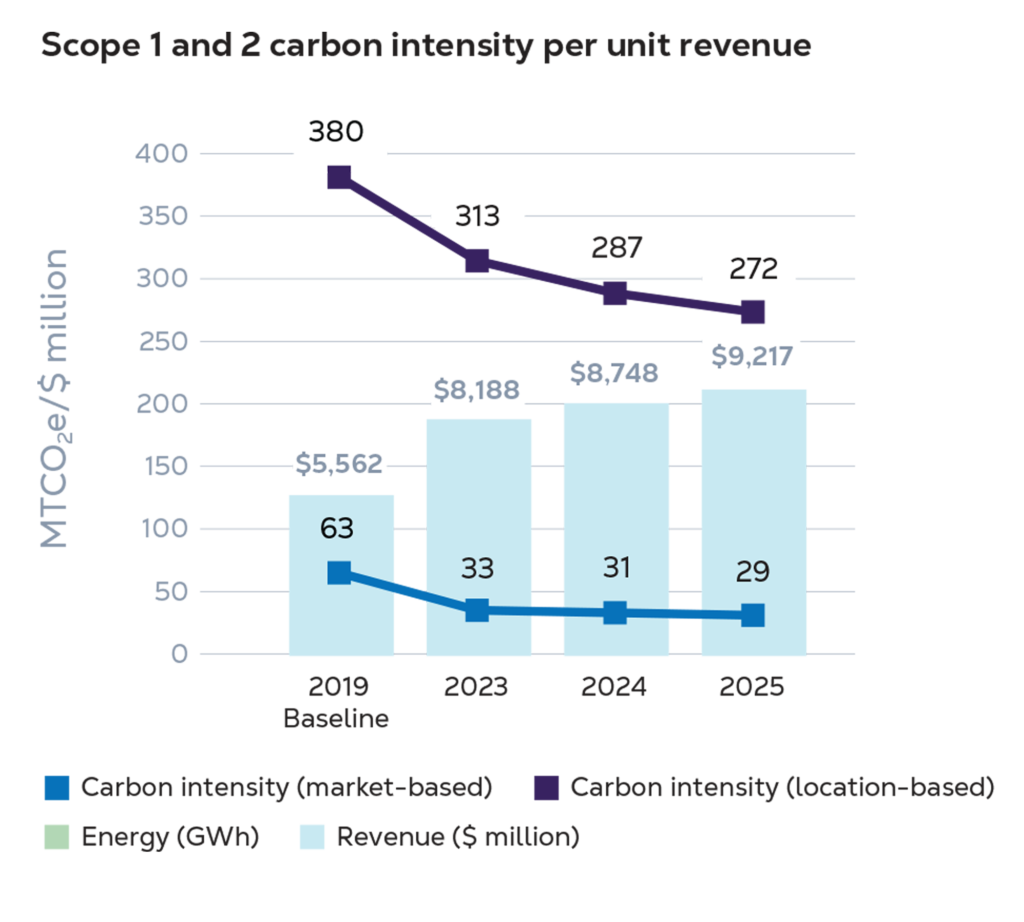
Set against this hypothetical, Equinix has achieved noteworthy, real emissions reductions in operations, alongside substantial growth, as shown in Figure 2.
Investing in a Sustainable Future First
These carbon reductions represent a key element of the Equinix Future First strategy, reflecting a commitment to advance digital infrastructure that prioritizes sustainability and minimizes environmental impact. To drive this effort, Equinix has leveraged green bonds as a strategic financial instrument to finance large-scale projects in support of the company’s progress towards reaching its approved Science Based Targets goal of net-zero GHG emissions across the value chain by 2040. As of June 2025, the company had issued approximately US$9 billion worth of green bonds globally, with US$7 billion in net proceeds allocated to power purchase agreements, energy efficiency upgrades and green building, resulting in an annualized reduction of over 365,000 metric tons of carbon dioxide equivalent, and the avoidance of nearly 2.3 million metric tons of carbon through PPAs.3
But the Future First strategy also calls for focus on social progress and governance, achieved through “ethical conduct for accessible, resilient and responsibly managed digital infrastructure.”4 To ensure alignment with global environmental frameworks (ex. UN SDGs), and to demonstrate transparency on ESG (Environment, Social, Governance), Equinix has established reporting that complies with requirements in regional regulations, such as the EU based Corporate Sustainability Reporting Directive (CSRD), country requirements such as the SG Green Plan (Singapore), or state level regulation on sustainable development, such as California’s SB legislation. Beyond environmental compliance, the company is now focused on “forging partnerships to advocate for innovation and action,” as a pathway towards “a future where technology drives sustainable growth and transformative social impact.”5 Through work with different organizations, Equinix is addressing critical challenges facing the industry today — community outreach, power availability, and circularity — in projects that deliver value to the company, its partners, and the environment. We are also firmly committed to impactful projects that help us achieve our Equinix Foundation mission of “Bridging the Digital Divide.
Community Consultation in Hertfordshire
Rapid expansion of data center construction and the scale of new projects have raised community concerns in many regions. Residents and local representatives are seeking more information on several issues, including potential competition for local power and water resources, impacts of energy overproduction on local rates, what potential climate impacts and local pollution (noise and gases from onsite generation) might be, and how local biodiversity might be affected by land usage decisions. On the other hand, data centers can offer significant community benefits, including local economic development, contribution to the tax base, job creation, support for local STEM programming, as well as sustainability and other community initiatives. While partnering with the local community on a new data center campus in Hertfordshire, UK, Equinix engaged in collaborative consultations that serve as a model for ensuring this kind of stakeholder value, paving the way for future projects. James Tyler, managing director for Equinix UK noted, “We see our investment as the start of a long-term future for Equinix in the area and will be seeking thoughts and feedback from the community as we work through key milestones.”6
In February 2025, Equinix was granted planning permission for three high-performance data centers in Hertfordshire, an area with excellent access to power and fiber connections, and the talent needed to build and operate a modern facility. Close to London, the new infrastructure in Hertfordshire will integrate with networks that form this digital hub, providing capacity needed to support the UK’s digital economy.
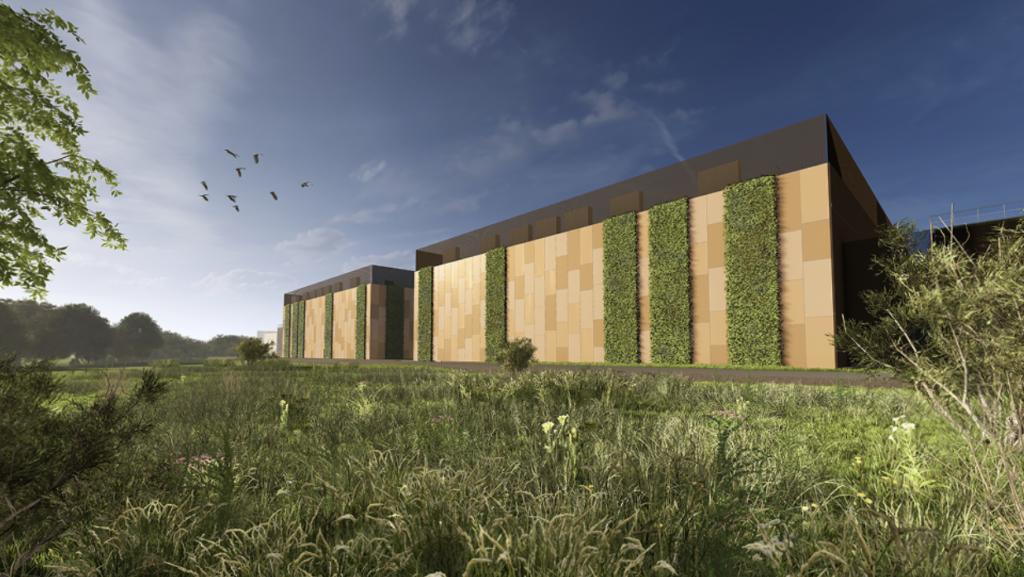
The DC01UK site in Hertfordshire has been designed to meet high architectural and sustainability standards, with extensive park space, new plantings and screening to integrate multiple buildings into the surrounding area. Throughout the build, Equinix plans to introduce measures to manage dust, noise, lighting and drainage, as well as traffic on the local road network by creating a new main access road to the facility. For transparency, the company has agreed to share regular updates on its activities with residents and local government.
Environmental benefits:
- Equinix will cover operations with 100% renewables.
- The facility will use dry, air-based cooling that takes advantage of ambient air from outside as part of the cooling process and draws no water for DC cooling.
- Construction will include drainage systems to prevent flooding and protect local watercourses.
- Equinix will retain half of the site as open space, with tree planting, new habitats and landscaping contributing to a net gain in biodiversity.
Social benefits:
- Local employment through creation of 2,500 jobs in construction and 200 permanent skilled roles in operation.
- Skills development in the tech field for local residents.
Economic benefits:
- £3.9 billion investment in the local area, including upgrades of local bus services, cycle routes and public rights of way, and creation of a new ‘Hertsmere Hopper’ that will connect to nearby homes and businesses.
- £18 million annually in business rates (taxes), to support delivery of local services and amenities.
Working with Utility Providers
Energy utilities are the workhorse of our transition to the clean economy. As they work to meet surging demand driven by digitization and the electrification of new industries (EVs), in many jurisdictions they are demonstrating leadership by decarbonizing their own operations. The integration of clean and renewable energy sources to achieve this is a challenge for aging grid infrastructure, due to the intermittency of generation sources. As utilities wrestle with the logistical and financial constraints on modernization and green adaptation, they are having to contend with competition between ratepayer categories, inconsistent supply forecasting, and even blackouts in growing extreme weather conditions.
AI solutions offer future potential to modernize utilities (IEA estimates that AI-based emission reduction efforts can reduce total industry emissions by 5% in 2035); however, the rapid adoption of AI across other sectors is exacerbating utility challenges. As massive deployments of high-power GPUs introduce new energy demand on digital infrastructure, the energy fluctuations associated with AI workloads also impact grid stability.7
In efforts to meet supply and modernization challenges, utilities are increasingly open to new prosumer relationships with their customers. Data centers, which can easily adapt to demand response systems, and have the potential to deliver excess energy during peak power periods and other emergencies, are a growing focus for utilities. In a recent survey of global utility providers, IDC has found that close to 80% believe that the social and economic benefits of data centers outweigh their operational impact, and view collaboration with data centers as an important means to mitigate their environmental footprint. By leveraging grid-interactive services and solutions designed to provide energy flexibility, data centers can ease demand pressures on utility infrastructure, and help stabilize the grid as it adapts to the introduction of renewables, rapid adoption of AI, and extreme weather events or other emergency scenarios.
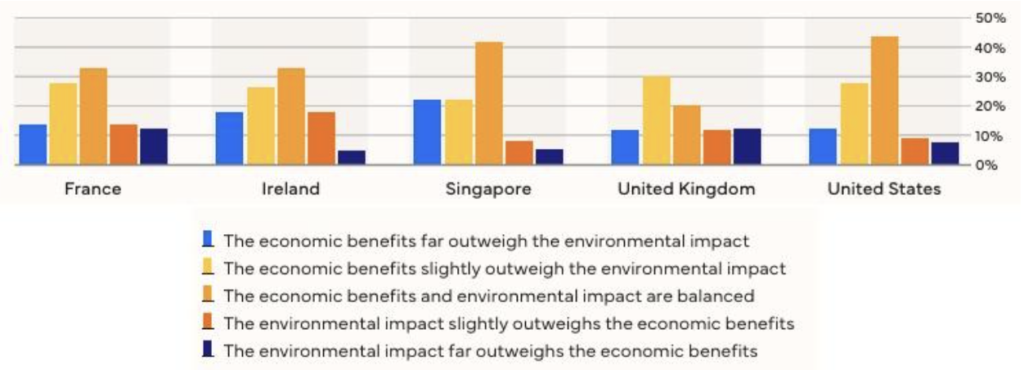
Equinix is now developing projects across this range of possible grid interactions. In the Irish data center hub, for example, the company recognizes the importance and value of supporting the wider utility grid in a mutually beneficial way, and has installed onsite energy solutions that can deliver power support to local grids in times of need, known as non-firm grid connections with demand response capability.
Equinix is also collaborating with the local utility to pilot solutions fueled by clean energy, which displaces grid power generated via higher carbon emitting sources. Supplied by the Irish utility ESB (Electricity Supply Board), Equinix has piloted zero carbon hydrogen fuel cells developed by GeoPura at its DB3 International Business Exchange in Dublin and will bring two fuel cells running in parallel online for 8-12 weeks in 2026 to demonstrate the potential of this alternative technology. Current cost and supply issues may dictate a future use case for hydrogen backup onsite; however, clean demonstration projects establish the basis for broader adoption once supply chains become better established.
Viewed as a ‘bridge’ to zero carbon fuels, natural gas backup is an alternative that may offer more immediate benefit; emitting less carbon dioxide per unit of energy produced when it is burned (approximately half that of coal), natural gas powered fuel cells, generators and other equipment offer climate advantages that are readily supplied. With natural gas generation in place, data centers have the flexibility needed to remove electricity demand from the grid during power spikes. To enable this, the Equinix DB5x facility in Blanchardstown has a 42 MW fully flexible transmission grid connection with the local transmission utility, EirGrid, a 52 MW dual fuel, hydrogen ready, gas turbine solution which can step in when local grid capacity is constrained. The same facility offers 20 MW fast frequency response capability using the Uninterrupted Power Supply (UPS) in collaboration with EnelX energy management solutions to support power stability; a 3 MW district heating scheme is also under development from this facility.
Today, the company is working with the electricity and gas utilities8 to extend this approach to a new site that could drive significant grid support, at a distribution connection level that would be a first of its kind for Ireland. The proposed 10 MW facility, DB8, will feature a connection to the local power distribution grid, a 10 MW equivalent behind the meter gas powered demand response solution, a UPS system offering fast frequency response services, and most importantly, the use of Mission Critical e2 equipment to provide fault-ride-through capability. The DB8 facility will also include a district heating network to recycle waste heat from the data center, providing a low-carbon alternative for heating local homes and businesses.
Environmental benefits:
- Use of hydrogen and natural gas-powered electricity displaces grid energy generated from more carbon intense resources.
- Stability support can ease integration of renewable resources into the grid.
Social benefits:
- By replacing diesel backup with natural gas and hydrogen, the data center reduces emission of toxic gases into the local atmosphere.
- Grid stabilization helps the utility deliver continuous, quality power for local homes and businesses.
- Onsite generation systems remove data center competition for utility resources.
Economic benefits:
- The data center gains access to grid power resources, enabling fulfillment of SLAs.
- The data center can market excess power generated by back up systems at attractive rates.
Squaring the Heat Circle with Utilities and Local Communities
Server rooms generate an enormous amount of heat that historically has been ejected from the data center facility and released into the atmosphere as heat waste. But heat is a form of energy that can be captured and re-used; every watt of heat energy that is recovered from waste is one that does not need to be generated. And when the watts are created from fossil fuels, the benefits of this circular approach are clear.
As part of its sustainability strategy, Equinix has worked with partners since 2024 to develop circularity initiatives and now has five data center sites that export waste heat to warm buildings. Its showcase project is the Paris Olympics pool, which Equinix developed in partnership with local planning authorities (SMIREC) and energy provider Engie, to provide a district heating network for the Plaine Saulnier district that houses the Saint-Denis Olympic Aquatic Center (OAC). Built with low carbon materials, the OAC has 5,000 square meters of solar panels – ‘France’s largest urban solar farm’ – and is heated with 6.6 MW of waste heat exported from Equinix’s PA 10 data center. After close of the 2024 Olympics, data center heat has continued to warm 1,000 homes in the neighborhood.
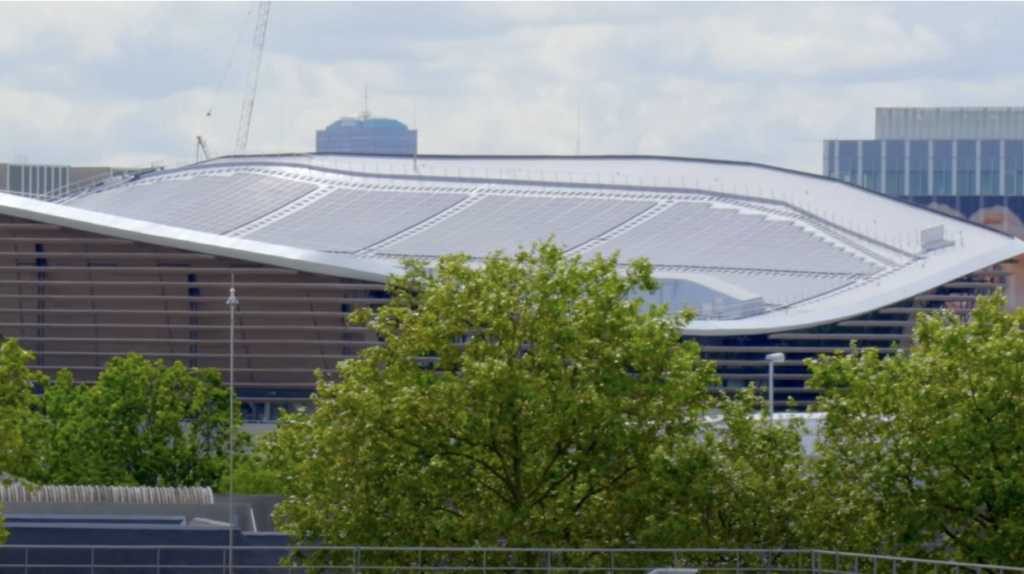
Solar panels on the Saint-Denis Olympic Aquatic Center building.
Environmental benefits:
- 6.6 MW of heat exported from PA10 and reused is estimated to save 2,000 MTCO2e per year in community emissions.
- Five sites with heat capture and reuse enable the avoidance of nearly 11,000 metric tons of carbon dioxide equivalent (MTCO2e) per year.
Social benefits:
- Circular heat reuse supported Paris’ aim to be the greenest Olympics yet, through its mandate to cut cost and waste.
- A 10 MW facility has potential to export 30 GWh heat over a year, enough to heating 10,000 new homes (IDC estimate).
Economic benefits:
- Approximately 77 TWh of heat energy is available from EU data centers, enough to supply approximately 8 million homes with heat, delivering cost savings for district heat providers and their customers.
- By using the cold water returned from the district heating scheme to cool water used in the facility, Equinix reduces the amount of new energy consumed for cooling.
Sustainability ROI – Scoping the Triple Bottom Line
Uncovering sustainability ROI9 requires new thinking on how we identify value. It involves longer term, strategic planning that considers the impact of non-compliance with regulation (fines for infractions or shutdown are increasing),10 and cost/benefit analysis that evaluates potential risk in not addressing sustainability proactively in a resource constrained world. It demonstrates success through the reporting of financial and non-financial metrics, employing double materiality accounting to capture the impact of sustainability issues on the data center’s financial performance, and its operations on the environment and society.
In the community, utility, and district heating examples described here, Equinix has moved beyond decarbonization and traditional ROI, to demonstrate the value in this triple bottom approach. In each project, social, environmental, and economic benefits are delivered to different stakeholder groups through collaborative work with local community and business partners. With green finance in place to drive further innovation, Equinix is translating social license into strategic advantage, as a welcome partner that can contribute, rather than compete with the local community.
REFERENCES
1. IEA. Energy and AI. World Energy Outlook Special Report. April 2025. https://iea.blob.core.windows.net/assets/601eaec9-ba91-4623-819b-4ded331ec9e8/EnergyandAI.pdf
2. A coalition of environmental groups have called for a moratorium on new data center build in the US, while permitting has become an electoral issue in some regions.
Oliver Millman. More than 200 environmental groups demand halt to new US datacenters. The Guardian. December 2025.
3. Equinix Sustainability Report FY2024. https://sustainability.equinix.com/governance/green-finance/
4. Equinix Sustainability Report FY2024. https://sustainability.equinix.com/
5. Future first. Equinix. https://sustainability.equinix.com/
6. Hertfordshire Campus. Equinix https://equinixtogether.com/hertfordshire/
7. Depending on contextual inputs, the IEA estimates growth in electricity consumption from data centers will have impact on emissions: “Emissions from electricity use by data centres grows from 180 million tonnes (Mt) today to 300 Mt in the Base Case by 2035, and up to 500 Mt in the Lift-Off Case. While these emissions remain below 1.5% of the total energy sector emissions in this period, data centres are among the fastest growing sources of emissions.”
IEA. Energy and AI.
8. Equinix has its Gas Networks Ireland grid connection in place for the DB8 facility, but continues to work with on its electricity distribution connection with ESB Networks.
9. Ultimate Guide to Measuring Sustainability ROI. Council Fire. Redefining Profit. https://www.councilfire.org/guides/ultimate-guide-to-measurng-sustainability-roi/
10. The Global ESG Regulatory Landscape is Exploding: Monitor it in Real-Time. Compliance & Risks. September 2025. https://www.complianceandrisks.com/blog/the-global-esg-regulatory-landscape-is-exploding-monitor-it-in-real-time/

Author: Courtney Burrows
Courtney Burrows is the Executive Editor of Greener Data and Executive Vice President of Marketing and Sustainability at JSA, where she leads content strategy across PR, marketing, and media initiatives for the global digital infrastructure industry. With more than 20 years of experience — and over a decade dedicated to data centers — she curates expert insights focused on data center sustainability, innovation, and the evolving demands of an AI-driven world.